Indoor vs Outdoor Rabbit Housing – Choosing the right living space for a pet rabbit is a crucial decision for new and experienced owners alike. In Canada, where weather conditions can shift dramatically between seasons, the debate around indoor vs outdoor rabbit housing becomes even more important. Both options offer clear advantages and notable challenges related to safety, health, space, and daily care. Understanding how climate, predators, household routines, and rabbit behavior interact can help owners make an informed choice. This guide explains the pros, cons, and essential safety tips for indoor and outdoor rabbit housing, with a practical focus on Canadian households.
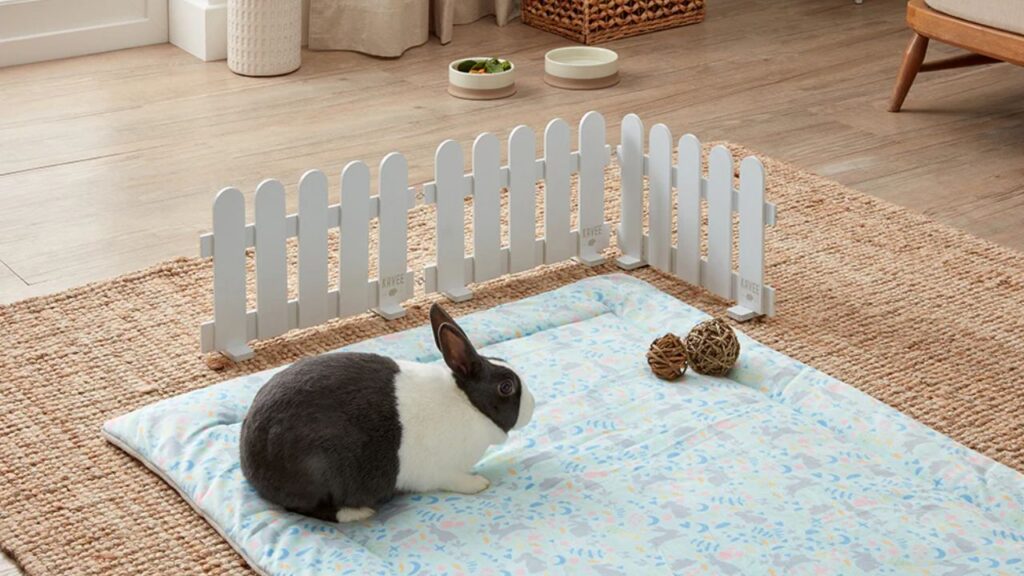
Indoor Rabbit Housing Benefits for Canadian Households
Indoor rabbit housing is increasingly popular among Canadian pet owners because it offers consistent protection from harsh weather and predators. Keeping rabbits indoors allows families to monitor their health closely, notice behavior changes early, and build stronger bonds through daily interaction. In colder regions of Canada, indoor living eliminates risks from freezing temperatures, damp conditions, and sudden snowstorms. Indoor rabbits are also less exposed to parasites such as mites and fleas. However, indoor housing requires proper litter training, rabbit-proofing electrical wires, and dedicating safe exercise areas to ensure rabbits remain active and mentally stimulated.

Outdoor Rabbit Housing Pros and Cons Across Canada
Outdoor rabbit housing can work well in parts of Canada with moderate climates, especially for owners with spacious yards. Outdoor hutches provide rabbits with fresh air, natural light, and room to explore, which supports physical activity. However, outdoor housing comes with serious responsibilities. Canadian wildlife such as raccoons, foxes, and birds of prey pose constant threats. Seasonal temperature extremes, including heatwaves and sub-zero winters, require insulated hutches, wind protection, and constant supervision. Without proper safeguards, outdoor rabbits may face stress, illness, or injury, making careful planning essential.

| Housing Type | Main Advantages | Key Risks |
|---|---|---|
| Indoor Housing | Climate control, health monitoring | Space limitations |
| Outdoor Housing | Fresh air, natural environment | Predators, extreme weather |
| Hybrid Setup | Balanced exposure and safety | Higher maintenance |
| Seasonal Adjustment | Flexible living conditions | Requires constant planning |
Rabbit Safety Tips for Canadians Choosing Indoor or Outdoor Options
Regardless of housing choice, rabbit safety should be the top priority for Canadians. Indoor setups should include non-slip flooring, chew-safe furniture protection, and daily exercise time. Outdoor housing must feature solid flooring, predator-proof wire, shaded areas, and insulation suitable for Canadian winters. Clean water should never freeze, and ventilation must prevent moisture buildup. Owners should also schedule regular veterinary checkups and vaccinations. Whether rabbits live inside or outside, consistency, cleanliness, and observation play a major role in keeping them healthy and stress-free year-round.
Climate-Smart Rabbit Housing Solutions for Canada
Canada’s diverse climate makes climate-smart rabbit housing especially important. Many Canadian rabbit owners adopt hybrid housing, allowing rabbits indoor access during winter and outdoor playtime in warmer months. Portable exercise pens, insulated shelters, and weather-resistant materials help adapt to seasonal changes. Monitoring temperature and humidity levels ensures rabbits remain comfortable. By adjusting housing arrangements throughout the year, Canadian families can combine the safety of indoor living with the enrichment of outdoor exploration, creating a balanced and humane environment for their rabbits.
Frequently Asked Questions (FAQs)

1. Is indoor rabbit housing safer in Canada?
Yes, indoor housing generally offers better protection from predators and extreme Canadian weather.
2. Can rabbits live outdoors during Canadian winters?
Only with heavily insulated, weatherproof housing and constant monitoring.
3. Do indoor rabbits need exercise?
Yes, indoor rabbits require daily free-roam time to stay healthy and active.
4. What is the best option for first-time rabbit owners in Canada?
Indoor housing is usually recommended for beginners due to easier supervision and safety.