
Common Rabbit Care Mistakes – Keeping a pet rabbit healthy and happy requires more than good intentions, and many new owners unknowingly make mistakes that affect their rabbit’s wellbeing. In Canada, rabbits are increasingly popular as indoor companions, yet they are still widely misunderstood. From incorrect diets to unsuitable housing and lack of veterinary care, small errors can lead to serious health issues over time. This article explains common rabbit care mistakes and how to avoid them, with guidance tailored for Canadian households, climate conditions, and pet-care practices, helping owners create a safer, more informed environment for their rabbits.
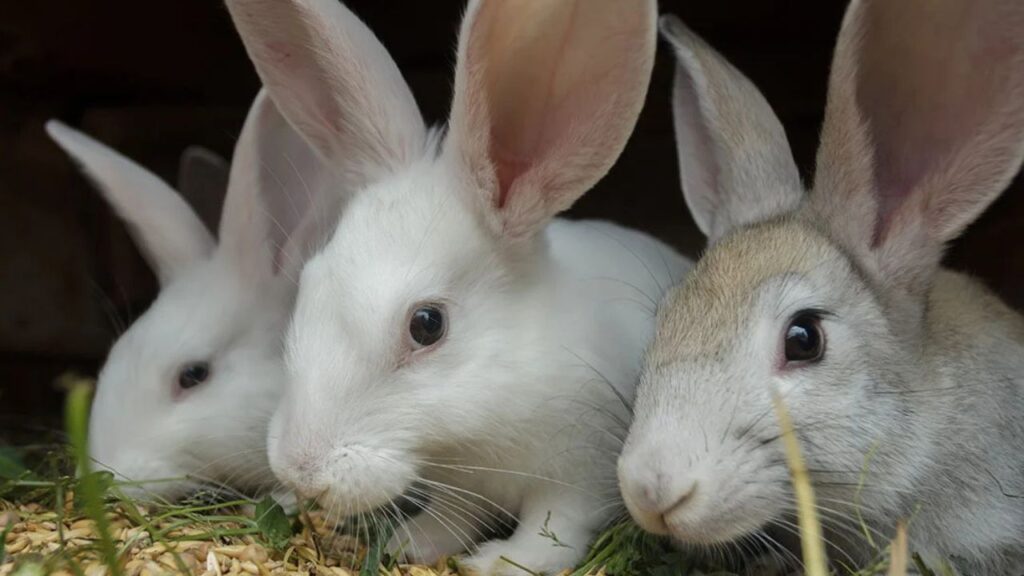
Common Rabbit Care Mistakes Among Canadian Pet Owners
One of the most frequent rabbit care mistakes made by Canadian pet owners is treating rabbits like low-maintenance cage animals. Many people keep rabbits in small enclosures, limit exercise time, or rely too heavily on commercial pellets. In Canada’s colder regions, owners may also underestimate the importance of stable indoor temperatures and proper ventilation. Another common error is skipping routine veterinary check-ups, especially with rabbit-savvy vets. Rabbits are prey animals and hide illness well, so problems often go unnoticed until advanced. Understanding these mistakes early helps Canadian households adjust care routines and prevent avoidable health complications.

Avoiding Rabbit Health Errors Across Canada
Avoiding rabbit health errors across Canada starts with understanding species-specific needs. Many owners incorrectly feed iceberg lettuce, sugary fruits, or seed mixes, which can disrupt digestion. In Canadian homes, seasonal shedding and dry indoor air can also cause skin and fur issues if grooming is neglected. Another mistake is improper litter training or using unsafe bedding materials. Canadian rabbit owners should also avoid sudden diet changes, especially during winter when fresh greens may be limited. Gradual transitions, hay-based diets, and consistent routines help prevent gastrointestinal stasis and other common rabbit health problems.

| Common Mistake | Why It’s a Problem | Better Alternative |
|---|---|---|
| Small cages | Limits movement and causes stress | Large exercise pens or free-roam space |
| Pellet-heavy diet | Leads to obesity and gut issues | Unlimited hay with measured pellets |
| Skipping vet visits | Illness detected too late | Annual rabbit-savvy vet checkups |
| Unsafe bedding | Respiratory and skin irritation | Paper-based or hay bedding |
Proper Rabbit Care Practices for Canadians
Proper rabbit care practices for Canadians focus on prevention, enrichment, and consistency. Rabbits need daily exercise, mental stimulation, and social interaction to thrive. In Canadian apartments or houses, rabbit-proofing electrical cords and furniture is essential for safety. Owners should also adapt care routines to seasonal changes, ensuring rabbits are protected from drafts in winter and overheating in summer. Regular nail trimming, grooming, and dental monitoring are often overlooked but vital. By following proven rabbit care guidelines, Canadians can significantly reduce common mistakes and support long-term rabbit health.
Rabbit Welfare Tips for Canadian Households
Rabbit welfare in Canadian households improves when owners understand natural rabbit behavior. Many people misinterpret chewing, digging, or thumping as bad behavior, when these are normal instincts. Providing chew toys, digging boxes, and safe hiding spaces reduces stress and destructive habits. In Canada, where long winters limit outdoor access, indoor enrichment becomes even more important. Social isolation is another hidden issue, as rabbits are highly social animals. Spending quality time daily or bonding compatible rabbit pairs helps meet emotional needs and prevents boredom-related health issues.
Frequently Asked Questions (FAQs)

1. What is the biggest rabbit care mistake in Canada?
The most common mistake is keeping rabbits in small cages with limited exercise.
2. Can rabbits live outdoors in Canadian winters?
No, most pet rabbits should live indoors due to extreme cold and temperature fluctuations.
3. How often should Canadian rabbits see a vet?
Rabbits should have at least one annual check-up with a rabbit-experienced veterinarian.
4. Is a pellet-only diet safe for rabbits?
No, rabbits need unlimited hay as the main part of their diet, not just pellets.

