Feeding Tips for Pet Rabbits – Providing the right hay and feeding routine is essential for keeping pet rabbits healthy, active, and long-lived. In Canada, where indoor rabbit ownership is steadily increasing, many new owners underestimate how closely a rabbit’s diet affects digestion, dental health, and overall wellbeing. Hay should form the foundation of daily feeding, supported by fresh vegetables and controlled pellet portions. Understanding which hay types work best, how often to feed, and what to avoid can prevent common issues such as gut stasis and dental overgrowth. This guide explains practical, vet-approved feeding tips tailored to rabbits living across Canadian households.
Best Hay Choices for Pet Rabbits in Canada
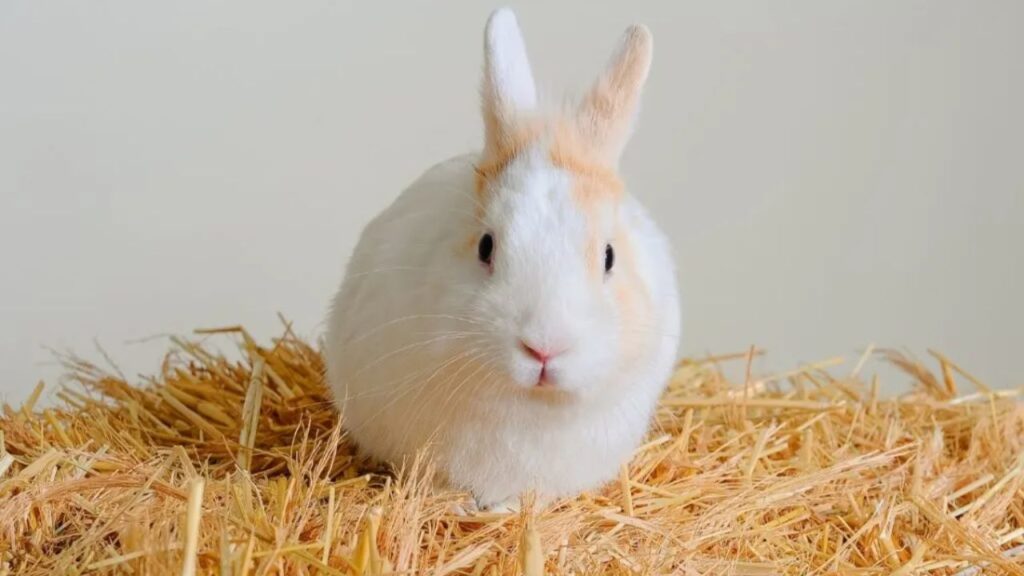
Choosing the right hay is the most important feeding decision for rabbit owners in Canada. Timothy hay is widely recommended for adult rabbits because its balanced fiber and calcium levels support digestion and prevent urinary issues. Orchard grass hay is another excellent option, especially for Canadian households sensitive to hay dust. Alfalfa hay, while nutritious, should be limited to young or underweight rabbits due to its high calcium content. Fresh, green, sweet-smelling hay encourages constant chewing, which is vital for wearing down continuously growing teeth. Canadian veterinarians advise unlimited hay access daily, regardless of season or indoor living conditions.

Daily Rabbit Feeding Routine for Canadian Households
Establishing a consistent feeding routine helps pet rabbits across Canada maintain stable digestion and healthy eating habits. Hay should always be available, while leafy vegetables like romaine lettuce, cilantro, and bok choy can be introduced gradually. Pellets should be limited to small measured portions based on rabbit size, as overfeeding pellets often leads to obesity. Fresh water must be available at all times, especially during dry winter months when indoor heating reduces humidity. Canadian rabbit owners are encouraged to monitor droppings daily, as changes often signal dietary imbalance before visible illness appears.

| Feed Type | Recommended Amount |
|---|---|
| Timothy or Orchard Hay | Unlimited daily |
| Leafy Greens | 1–2 cups per kg body weight |
| Pellets | 1/8–1/4 cup per day |
| Fresh Water | Unlimited, changed daily |
| Treats (Fruits) | 1–2 times per week only |
Common Feeding Mistakes Rabbit Owners Make Across Canada
Many rabbit owners across Canada unknowingly make feeding errors that affect long-term health. Offering too many pellets or sugary treats can disrupt gut bacteria and reduce hay consumption. Another common mistake is feeding iceberg lettuce, which lacks nutrition and may cause digestive upset. Sudden diet changes are also risky, especially during seasonal transitions when produce availability shifts. Canadian animal care experts stress introducing new foods slowly and avoiding processed human foods entirely. Paying attention to hay freshness and storage is equally important, as damp or dusty hay can cause respiratory or digestive problems.
Seasonal Hay Storage Tips for Rabbits in Canadian Climates
Canada’s changing climate makes proper hay storage essential for rabbit owners. During humid summers, hay should be stored in breathable containers away from moisture to prevent mold growth. In colder months, indoor heating can dry hay excessively, reducing palatability. Keeping hay in a cool, dry area with airflow helps maintain quality year-round. Buying hay in moderate quantities ensures freshness, especially for apartment-dwelling Canadians with limited storage space. Regularly checking for dust, discoloration, or musty smells protects rabbits from respiratory irritation and digestive complications linked to poor-quality hay.
Frequently Asked Questions (FAQs)
1. What is the best hay for adult rabbits in Canada?
Timothy hay is best for adult rabbits due to balanced fiber and calcium levels.
2. Can Canadian rabbits eat hay all day?
Yes, rabbits should have unlimited access to hay every day.
3. How often should pellets be fed to pet rabbits?
Pellets should be fed once daily in small, measured amounts.
4. Are fruits safe treats for rabbits?
Fruits are safe only occasionally and in very small portions.