Keep Pet Rabbits Happy – Keeping pet rabbits happy, healthy, and stress-free at home requires understanding their natural behaviour, daily needs, and living environment. In Canada, more households are welcoming rabbits as indoor companions, making proper care increasingly important for animal welfare. Rabbits are sensitive animals that thrive on routine, safe spaces, and gentle handling. When their physical and emotional needs are met, they form strong bonds with owners and live long, content lives. This guide explains practical, home-friendly ways Canadians can support rabbit wellbeing through housing, nutrition, enrichment, and stress reduction.
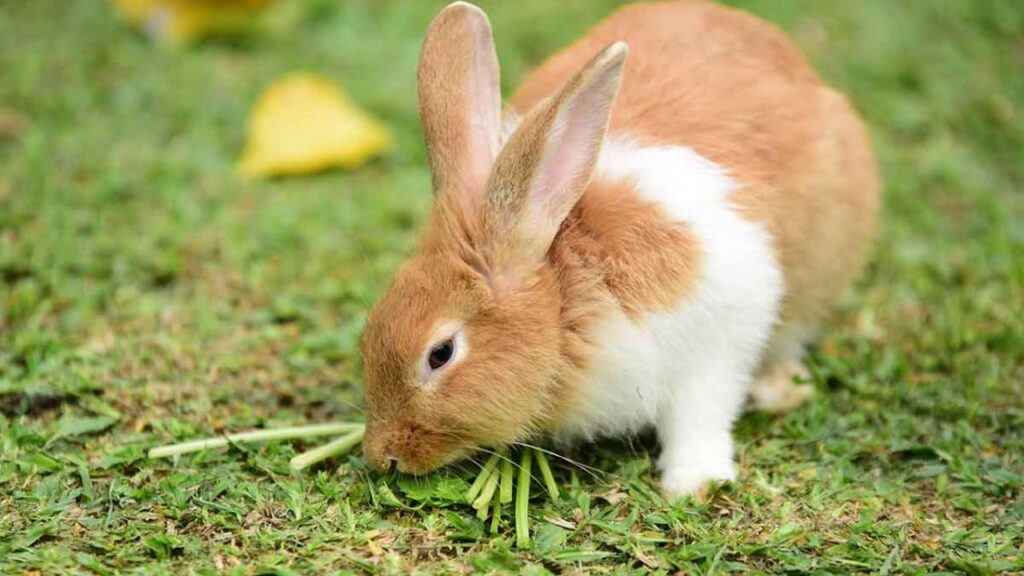
Pet Rabbit Care Essentials for Canadian Households
Pet rabbit care in Canadian households starts with creating a safe and calm living environment. Rabbits should live indoors where temperature and noise levels are controlled, as harsh winters across Canada can be dangerous for outdoor housing. A spacious enclosure or exercise pen allows free movement, while soft flooring protects sensitive feet. Daily interaction is essential, but handling should always be gentle to prevent fear or injury. Consistent feeding times, quiet resting areas, and predictable routines help rabbits feel secure. Canadian pet owners should also rabbit-proof their homes by covering wires and removing toxic houseplants to reduce stress and accidents.

Healthy Rabbit Diet Guidelines Across Canada
A healthy rabbit diet across Canada focuses on high-fibre nutrition that supports digestion and dental health. Unlimited fresh hay should form the foundation of daily feeding, as it prevents gastrointestinal issues common in rabbits. Fresh vegetables such as romaine lettuce, herbs, and leafy greens can be added gradually, while pellets should be limited to avoid weight gain. Clean water must be available at all times, especially in heated Canadian homes where dehydration risk increases. Avoid sugary fruits and processed treats, as these can upset a rabbit’s delicate digestive system and cause long-term health problems.

| Care Area | Recommended Practice |
|---|---|
| Housing Space | Indoor pen or room with daily exercise time |
| Diet | Unlimited hay, fresh greens, limited pellets |
| Water Access | Fresh water changed daily |
| Health Checks | Annual vet visits with rabbit-experienced clinics |
| Stress Reduction | Quiet environment and consistent routine |
Stress-Free Rabbit Environment for Canadians
Creating a stress-free rabbit environment for Canadians involves understanding how sensitive rabbits are to sound, handling, and sudden changes. Loud noises, unfamiliar pets, and frequent rearranging of their space can cause anxiety. Providing hiding spots, tunnels, and chew toys gives rabbits a sense of control and safety. Regular exercise outside the enclosure helps release energy and prevents boredom. In busy Canadian households, setting boundaries with children and visitors is crucial so rabbits are not chased or picked up unnecessarily. Calm interactions build trust and reduce long-term behavioural issues.
Veterinary Care and Rabbit Health in Canadian Cities
Access to proper veterinary care is vital for rabbit health in Canadian cities and towns. Not all veterinarians are trained to treat rabbits, so owners should seek clinics experienced with exotic or small animals. Regular health checks help detect dental issues, digestive problems, and parasites early. Spaying or neutering is strongly recommended, as it reduces hormonal stress and aggressive behaviour while extending lifespan. Canadian rabbit owners should also monitor appetite and droppings daily, as sudden changes often signal illness. Prompt veterinary attention can make a critical difference in recovery.
Frequently Asked Questions (FAQs)

1. Can rabbits live comfortably indoors in Canada?
Yes, indoor living is recommended in Canada due to climate extremes and safety concerns.
2. How much daily exercise do pet rabbits need?
Rabbits need at least three to four hours of free movement outside their enclosure daily.
3. Are rabbits suitable pets for families with children?
They can be, but supervision is necessary as rabbits require gentle handling.
4. How can I tell if my rabbit is stressed?
Signs include hiding, loss of appetite, teeth grinding, or sudden aggression.